Brixton rubbish removal guide for tight access properties
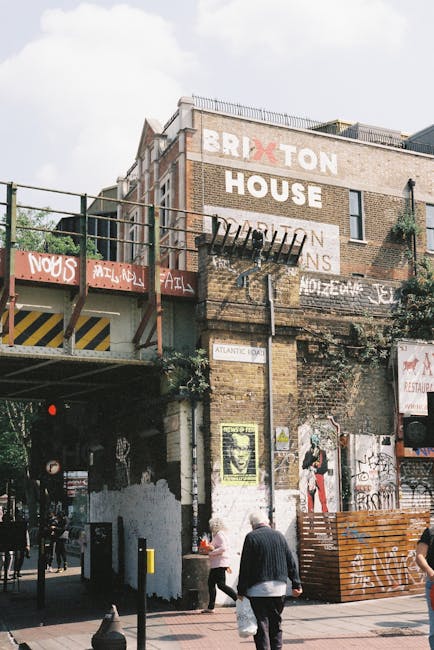
If you live in Brixton and your property is awkward to get into, you already know the drill: narrow hallways, steep stairs, shared entrances, parked cars, basement turns, and that one bulky item that seems to have been designed to block the entire route. This Brixton rubbish removal guide for tight access properties is written for exactly that kind of situation. It explains how waste clearance works when access is tight, what to prepare before the team arrives, and how to avoid the little problems that turn a simple collection into a stressful afternoon.
To be fair, most rubbish removal jobs are straightforward on paper. In real life, not so much. A sofa may not fit round the corner. Builders' waste may be stored in a rear yard with no easy lift access. A flat clearance might need careful handling through a shared stairwell at 8 a.m. when everyone else is trying to leave for work. The good news? With a bit of planning, tight access jobs can still run smoothly. Here's how to make that happen.
Why Brixton rubbish removal guide for tight access properties Matters
Brixton has a mix of Victorian terraces, maisonettes, converted flats, mansion blocks, rear extensions, and compact commercial spaces. That variety is part of the area's charm, but it can make rubbish removal awkward. Tight staircases and narrow doorways are not rare exceptions here; they're often the default.
Why does that matter? Because access affects everything: the time needed, the number of people required, the type of items that can be removed safely, and whether a collection can happen in one visit or needs a more considered approach. A routine clearance can become slow and expensive if nobody has checked the route first. And nobody wants that surprise at the doorway.
In practical terms, tight access means you may need to think beyond the waste itself. The route out matters just as much as the pile in the room. Is there a basement stair? A shared entrance? A courtyard with limited turning space? Can a van stop nearby without blocking traffic or causing issues with neighbours? These are the small details that shape the job.
For local properties, especially flats, loft conversions, and houses split into multiple units, the difference between a smooth clearance and a headache is usually preparation. A good plan protects walls, avoids damage to communal areas, and reduces the chance of delay. That sounds obvious. It often gets missed anyway.
It also helps to choose the right service type from the start. A rubbish removal service is useful for mixed household waste, while a flat clearance suits larger clear-outs where access and sorting both matter. If you are dealing with renovation debris, builders' waste collection may be the better fit. The right match saves time and avoids unnecessary back-and-forth.
How Brixton rubbish removal guide for tight access properties Works
The process for tight access properties is usually simple in principle and more detailed in practice. You contact the provider, explain the access constraints, describe the waste, and arrange a suitable collection time. Then the team arrives, assesses the route, removes the waste, and clears up afterwards.
What changes in a tight access property is the level of pre-checking. A standard driveway collection might be quick. A third-floor flat with no lift is a different story. The team may need to park a little further away, carry items in smaller loads, or break down larger objects before moving them. Sometimes they'll ask for photos. Sometimes a quick phone call is enough. Often, the more honest the description upfront, the smoother the job.
In our experience, the best results come when the customer explains three things clearly: what needs removing, where it is located, and what the access is like from room to van. That little bit of detail does a lot of heavy lifting, if you'll pardon the expression.
For example, if you need to clear an old wardrobe from a Brixton top-floor flat, the removal team will want to know if it can be dismantled, whether the staircase turns sharply, and whether there is room to manoeuvre on landing or at the front door. If it's garden waste in a narrow rear passage, they'll want to know if the route is step-free or if bags need to be carried through the house. These differences matter.
Some jobs also pair well with other services. A household move-out may involve home clearance or house clearance. A landlord-end-of-tenancy clear-out might be better organised as a rubbish clearance or waste clearance. If the items are mainly a single bulky piece, like a sofa, then sofa removal keeps things focused and efficient.
Key Benefits and Practical Advantages
The biggest benefit of planning rubbish removal properly for a tight access property is avoiding preventable problems. That's the headline. But there are several smaller advantages too, and they add up quickly.
- Less damage risk: Tight hallways, painted walls, and old stair rails can be easily marked if large items are rushed.
- Faster clearance: When access is understood in advance, the team can bring the right equipment and number of people.
- Better cost control: Fewer surprises usually means fewer delays, fewer return visits, and a more predictable job.
- Cleaner shared spaces: Careful removal protects communal corridors, entryways, and neighbours' peace.
- More suitable disposal: The right service type helps ensure the load is handled correctly from the outset.
There's also a mental benefit that shouldn't be dismissed. A cluttered flat can feel smaller, louder, and oddly more tiring to live in. Once the unwanted items are gone, the space breathes again. You notice the light. You hear less echo. Even the floor feels easier to cross. Sounds a bit poetic, but it's true.
For trade, rental, and business properties, the practical gains are just as important. An office above a shop, for instance, may need quick office clearance without disturbing customers below. A small store room may need business waste removed before stock arrives. Tight access doesn't remove the need for speed; it just changes the method.
Who This Is For and When It Makes Sense
This guide is for anyone dealing with awkward access and unwanted items in Brixton. That includes flat owners, tenants, landlords, letting agents, builders, shopkeepers, office managers, and anyone who has looked at a heavy item wedged in a narrow room and thought, "Right. Now what?"
It makes sense when the property has one or more of these features:
- narrow staircases or landings
- shared entrances or communal hallways
- basement or top-floor access only
- limited front or rear loading space
- tight corners, low ceilings, or split-level layouts
- no lift, or a lift that is too small for larger items
It's also relevant if the waste itself is bulky, awkward, or mixed. Furniture, broken appliances, boxing from a refurbishment, garden cuttings, or end-of-tenancy clutter all create different access issues. A bag of rubbish is one thing. A dismantled wardrobe, mattress, and three bags of mixed debris are another altogether.
A lot of people also use this kind of clearance when time is tight. Maybe a tenancy is ending, maybe a renovation has overrun, or maybe a probate property needs emptying carefully and respectfully. In those moments, a measured, well-briefed service matters more than ever.
Step-by-Step Guidance
- Walk the route from the item to the van. Start with the room, then the hallway, stairs, doorway, and outside path. Don't guess. Actually walk it, if you can.
- Measure the awkward bits. Door widths, stair turns, landings, lift openings, and any fixed obstacles should be checked. A few centimetres can decide whether an item fits or needs dismantling.
- Sort the waste by type. Separate general rubbish from reusable furniture, building debris, garden waste, and anything potentially hazardous. This keeps the job efficient and helps with disposal planning.
- Take clear photos. Photos of the items and the access route help a removal team understand the job before arriving. Dark stairwells and cluttered yards are easier to plan around when everyone knows what to expect.
- Share parking and access details. If the road is busy, if there are loading restrictions, or if the van can't stop directly outside, say so early. Brixton streets can be busy and parking can be a bit of a dance.
- Book enough time. Tight access jobs often take longer than people expect. Rushing is where problems start.
- Prepare the property. Move smaller objects, clear a safe path, and keep pets and children away from the route.
- Be available for questions. A quick decision about dismantling or load changes can save half an hour. Sometimes more.
If you're dealing with a flat, it can help to read through flat clearance guidance before the day. If the job has grown into a whole-property clear-out, home clearance may be more appropriate. And if you've accumulated a lot of mixed rubbish after decluttering, waste removal often gives the cleanest route from start to finish.
Expert Tips for Better Results
Here's where a little know-how saves a lot of faff.
1. Think in terms of the largest object, not the total pile. A room full of light bags is easy. One overlong wardrobe that won't turn the staircase is the real issue. Always identify the biggest awkward item first.
2. Keep communal access clear. If you live in a block, ask neighbours not to leave bikes, prams, or parcels in the route on the day. It's amazing how often a tidy plan is undone by a pushchair left at the bottom of the stairs.
3. Break down items where sensible. Furniture that can be dismantled usually becomes much easier to remove. A flat-pack desk, for example, is not the same thing as a one-piece oak cabinet. Not even close.
4. Use the right service for the waste type. A mixed load of old household items may suit rubbish collection. A single unwanted armchair may fit furniture disposal. A garage packed with old paint tins, boxes, and broken shelves may be easier to clear through garage clearance.
5. Don't understate the access issue. People sometimes say "it's a bit tight" when they really mean the staircase is narrow, the corner is sharp, and the landing is barely wider than the object. Be honest. It helps everyone.
6. Plan around the day, not just the booking slot. Morning noise can be awkward in a terraced street. Late afternoon might suit your neighbours less. A bit of timing awareness goes a long way.
Expert summary: Tight access rubbish removal is less about brute force and more about preparation, route planning, item sizing, and choosing the right clearance method for the job.
Common Mistakes to Avoid
Most problems in tight access properties come from rushing or assuming the route will "probably be fine." That's a dangerous little phrase. Here are the mistakes we see most often.
- Not checking the item dimensions: A sofa or wardrobe may look manageable until it reaches the stair turn.
- Forgetting about parking: If the van cannot stop safely nearby, the whole job gets harder.
- Ignoring shared spaces: Communal entrances need care and a bit of courtesy.
- Mixing waste types without mention: Builders' rubble, furniture, and general junk may need different handling.
- Leaving sorting until collection day: That usually creates delays.
- Booking the wrong service: If you need one bulky item removed, don't overcomplicate it. If you need a full clear-out, don't book as though it's one bag and a chair.
Another common error is not checking the actual route from the storage point to the exit. People focus on the front door and forget the hallway, the internal stairs, the back gate, or the shared lobby. Then the team arrives and discovers the real bottleneck. Usually at the worst possible moment. Funny how that happens.
If your job involves refurbishment debris or strip-out material, it can be worth looking at builders waste rather than assuming general rubbish removal will do the trick. The same logic applies to garden work: if the access to the rear is tight, garden clearance needs a different plan from a simple sack collection.
Tools, Resources and Recommendations
You do not need a pile of specialist kit to prepare for a tight access clearance. But a few simple tools make the whole thing easier.
- Tape measure: for doorways, stair widths, and item dimensions
- Phone camera: to photograph access points and bulky items
- Marker or labels: to separate keep, donate, recycle, and remove
- Protective gloves: useful if you're moving sharp or dusty items yourself
- Furniture tools: a screwdriver or hex key can help with dismantling where safe
- Heavy-duty sacks or boxes: for small loose waste that would otherwise spill everywhere
Useful planning habits matter too. Keep a short note of the route, parking conditions, and anything awkward about the property. If you live in a converted building or regularly manage clear-outs, that note becomes gold dust the next time you need help. A two-minute reminder can prevent a twenty-minute delay.
When comparing services, check whether they handle mixed loads, bulky furniture, or property clearances, and whether they can adapt to access issues. For instance, house clearance is often the right option for larger domestic jobs, while rubbish clearance can be enough for a one-off load of mixed items. If you need disposal guidance for different materials, waste disposal is the broader category to think about.
Law, Compliance, Standards, or Best Practice
For rubbish removal in the UK, a cautious approach to compliance is always sensible. The practical basics are straightforward: waste should be handled by a legitimate operator, items should go to appropriate facilities, and nothing should be dumped illegally. That may sound obvious, but dodgy clearance offers do still exist.
Best practice also means protecting people and property during the removal itself. In a tight access building, that includes safe lifting, careful movement on stairs, and not blocking fire routes, entrances, or communal passageways for longer than necessary. If a building has a managing agent, concierge, or house rules, those should be respected too.
If any items might be hazardous, such as certain chemicals, sharp materials, or electrical goods in poor condition, say so before collection. The more a team knows, the better they can handle the load safely. No one wants surprises halfway down a staircase.
From a customer perspective, the best practice is simple: be accurate, keep access clear, and choose a service that suits the waste type. If you're unsure, ask questions before booking. That's not being difficult. That's being sensible.
Options, Methods, or Comparison Table
There is more than one way to handle rubbish from a tight access property, and the best option depends on the volume, item type, and route out of the building.
| Method | Best for | Strengths | Limitations |
|---|---|---|---|
| Standard rubbish removal | Mixed household waste, small-to-medium loads | Flexible, quick to arrange, good for everyday clearances | May need extra planning for bulky items or narrow stairs |
| Flat clearance | Whole rooms or full flats | Ideal for larger domestic jobs, easier for packed properties | Can take longer and needs more detailed access information |
| Furniture disposal | Sofas, wardrobes, tables, mattresses | Focused handling for large single items | Less suitable if the load is a mix of different waste types |
| Builders waste collection | Renovation debris, rubble, timber, offcuts | Good for trade and DIY projects | Not the right choice for general household clutter |
| House or home clearance | Large domestic clear-outs, probate, move-out jobs | Comprehensive and practical for bigger jobs | Needs clear access planning and may require longer time on site |
For many Brixton properties, the right answer is not one perfect method but a sensible blend. For example, a landlord might need home clearance for the contents of a flat, plus sofa removal for a bulky item that won't fit neatly into the rest of the load. That kind of combined thinking often works best in tight spaces.
Case Study or Real-World Example
A realistic Brixton scenario goes like this. A tenant is moving out of a converted first-floor flat near a busy main road. The property has a narrow staircase, a shared hallway, and a large wardrobe that has survived three moves, two paint jobs, and probably a minor grudge.
The first step was a quick measure. The wardrobe would not turn the final landing intact, so it had to be dismantled. The team was told about the access, the shared entrance, and the need to park a short walk away. Photos were sent ahead of time. That made a difference.
On the day, smaller items were boxed first, then the wardrobe was broken down, wrapped where needed, and carried out carefully. The hallway stayed clear, no wall scuffs appeared, and the collection finished within the planned slot. Not glamorous. Just efficient. Which, in rubbish removal, is basically the dream.
The customer had originally thought it would be a "quick sofa-and-bits job." In reality, it was a small flat clearance with awkward access. Once the correct service was chosen, the rest became much easier. That is the real lesson: naming the problem properly saves time.
Practical Checklist
Use this before your collection day. It keeps things calm, especially when the property is cramped.
- Measure the largest item and the narrowest access point
- Check whether items need dismantling
- Photograph the waste and the route out
- Confirm parking and loading access
- Separate general rubbish from furniture, garden waste, or building debris
- Clear hallways, stairs, and entrances where possible
- Tell neighbours or managing agents if communal access is involved
- Keep pets and children away from the route
- Ask about the best service type for your load
- Have a quick plan for any last-minute access issue
Quick takeaway: if the route is awkward, the best preparation is usually not more muscle - it's better information.
Conclusion
Tight access properties can make rubbish removal feel harder than it should be, but they do not make it unmanageable. With the right measurements, a clear description of the route, and the right service for the job, even a tricky Brixton clearance can run smoothly and safely.
The main thing is to think ahead. Check the narrow parts, be honest about the access, and choose the clearance method that matches the waste, not just the label you wish it had. That small bit of planning keeps the day moving and protects the property too. And in a place like Brixton, where homes and buildings come in all shapes and sizes, that really matters.
If you are ready to sort out a cramped flat, a bulky item, or a mixed clearance in Brixton, take the time to brief the job properly and choose a provider that understands access constraints. It's a small effort that pays off in a big way.
Get a free quote today and see how much you can save.
And if the job feels a bit overwhelming right now, that's normal. Start with the first measure, then the next. It gets easier from there.
Frequently Asked Questions
What counts as a tight access property in Brixton?
A tight access property is any home or business where moving rubbish out is awkward because of narrow stairs, small doorways, shared halls, basement steps, limited parking, or a tricky layout. In Brixton, that often means converted flats, terraced houses, and older buildings with compact entrances.
How do I know if my sofa will fit out of the property?
Measure the sofa, then measure the doorway, the stair width, and the turning space on landings. If any part looks tight, mention it before booking. A sofa can look fine in a room and still be a nightmare at the top of the stairs.
Should I dismantle furniture before rubbish removal?
If it can be dismantled safely, yes, it often helps a lot. Wardrobes, bed frames, desks, and shelving are usually easier to move in pieces. If you are unsure, ask the removal team first so nothing gets damaged.
Is a flat clearance better than general rubbish removal?
It depends on the size of the job. If you are clearing multiple rooms or a whole flat, flat clearance is usually more suitable. For a smaller mixed load, rubbish removal may be enough.
Can rubbish be removed from a basement flat?
Yes, but the access needs to be explained clearly. Basement stairs, low ceilings, and narrow turns can affect how the job is planned. Photos help, and so does being specific about the route from the room to the van.
What if parking is difficult outside my Brixton property?
Say so before the collection. The team may need to park further away or arrive at a time that works better for the street. Brixton roads can be busy, so parking details matter more than people think.
Do I need to sort waste before the collection?
Sorting helps, especially in tight access properties. Separate bulky furniture, general rubbish, builders' waste, and garden waste if you can. It speeds things up and helps the job get done with less fuss.
Can you remove waste from a shared hallway?
Yes, but communal areas should be kept clear and treated carefully. Shared entrances, stairwells, and landings need a bit of extra patience and planning so neighbours are not inconvenienced.
What kind of waste is hardest to remove from tight access properties?
Large wardrobes, heavy sofas, mattresses, and mixed renovation debris are usually the trickiest. Anything oversized, rigid, or awkwardly shaped can be difficult on stairs and around corners.
Is builders' waste handled differently from household rubbish?
Usually, yes. Builders' waste often includes rubble, timber, plasterboard, or offcuts, which may need a more suitable collection method than everyday domestic waste. If your load is from a project, builders' waste collection is worth considering.
How far in advance should I book a clearance for a tight access property?
As soon as you know the access details and the waste volume. The earlier you book, the easier it is to plan the right team size and timing. Last-minute jobs are possible, but planning ahead usually makes things calmer.
What should I do on the day before the removal team arrives?
Clear the route, take final photos if needed, move small loose items, and make sure access codes, keys, or entry instructions are ready. If the route is awkward, a few minutes of prep can save a lot of unnecessary lifting.
Where can I learn more about related clearance services?
It can help to look at services such as waste clearance, house clearance, and furniture disposal if your job involves more than one type of item. The right fit depends on the load, not just the postcode.